Crystallization
also known as crystal growth · salting out
Crystallization drives a solution past saturation, so that solute leaves the liquid and deposits on crystal surfaces. Supersaturation is created by evaporating solvent, by cooling, or by adding a reagent that reduces solubility. Nucleation creates new crystals while growth enlarges existing ones, and the balance between the two determines the final crystal size distribution.
Why it matters in practice
Crystal size distribution sets how easily the product filters, washes and dries, and it is controlled by how supersaturation is generated rather than by how much is generated. Rapid, local supersaturation produces fines that blind filters; gentle, uniform supersaturation produces a free-draining product.
Where this appears on this site
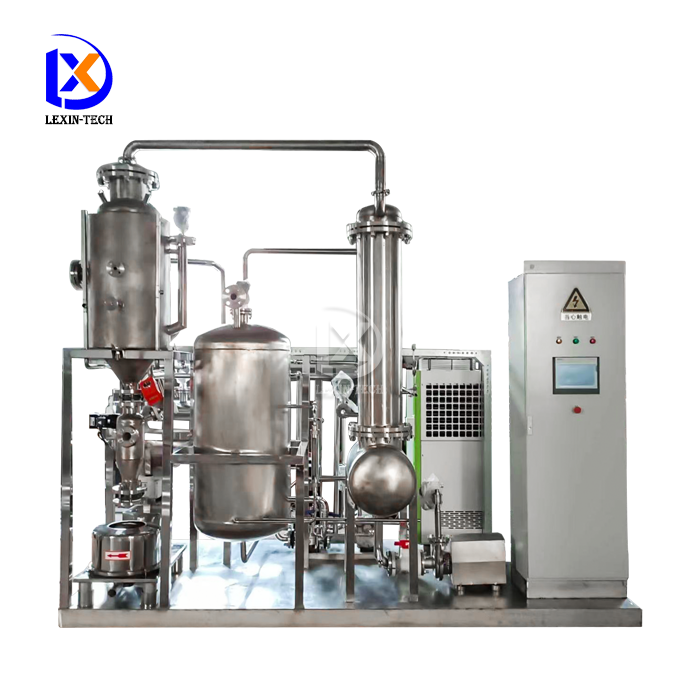
Equipment referenced in this entry
Related terms
Reference entry GL-CRYSTALLIZATION. Definitions on this page describe engineering practice in hydrometallurgical process design; they are not a substitute for test work on your own material.