Multiple-Effect Evaporation
also known as MEE · multi-effect evaporator
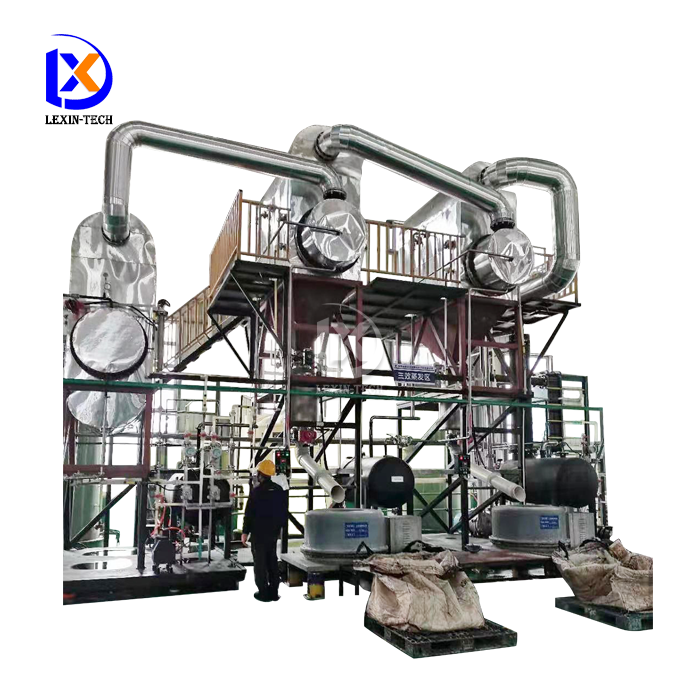
In multiple-effect evaporation, steam heats the first effect, and the vapour generated there is used as the heating medium in the second effect, which operates at a lower pressure and therefore a lower boiling point. Each successive effect adds approximately one kilogram of evaporated water per kilogram of input steam, so an N-effect unit approaches an N-fold steam economy.
Why it matters in practice
The gain in steam economy is real but not free: each additional effect adds a vessel, raises the required temperature difference and increases residence time, which matters for thermally sensitive liquors. Three effects is the usual compromise for hydrometallurgical liquors.
Where this appears on this site
Calculators that use this
Equipment referenced in this entry
Related terms
Reference entry GL-MULTIPLE-EFFECT-EVAPORATION. Definitions on this page describe engineering practice in hydrometallurgical process design; they are not a substitute for test work on your own material.