Filter Press Area Calculator from Leaf Test Data
Filter press area is set by the mass of solids that has to be captured in one cycle and the specific filtration rate your slurry actually delivers. The second number can only come from a leaf test or a pilot run on the real slurry — this calculator takes that measured rate and converts it into the area, cake volume and plate count for a batch press.
Results
The results appear here and update as you type. Each result is followed by the conditions under which it holds.
How to use it
- Run a leaf test on the real slurry
A leaf test at the intended filtration pressure and temperature gives you the specific rate and shows you the cake texture. Literature values for a different material are not a substitute — particle size distribution and the degree of flocculation both change the result by large factors.
- Convert the rate into an area
Divide the solids mass per batch by the solids the leaf test says one square metre will capture in your cycle time. The result is the minimum area, with no allowance for reserve.
- Choose a plate size and count plates
Area per chamber plate is twice the plate face area because each chamber has two filtering faces. Divide the required area by that to get the plate count, then round up to the next usable number.
- Check the chambers can actually hold the cake
Cake volume follows from the solids mass and the expected moisture. If the chamber set is smaller than the cake volume, the press cannot complete the cycle and the plate count or chamber depth has to increase.
- Allow for cycle and labour
Filter presses are batch machines, so the number of cycles per shift — including opening, discharge and closing — sets the required number of presses. On presses with manual plate shifting, discharge time is often the real bottleneck.
Formulas used
Dry solids per batch  m = V_slurry × c_solids
Required area        A = m / (q_leaf × (t_cycle / 60))
Area per plate       a = 2 × (plate side)²
Plates required      n = ceil(A / a)
Wet cake mass        = m / (1 − moisture)
Cake volume          = wet cake mass / (bulk density of wet cake, assumed 1.5 t/m³)
Chamber capacity     = n × a/2 × chamber depth
Assumptions & applicability
- ★ The filtration rate must come from a leaf test or pilot run on your own slurry. It is the dominant uncertainty in this calculation and no table of generic values can replace it.
- The leaf test rate is assumed constant over the cycle. In reality the rate falls as the cake builds, so a press designed on a constant rate will take longer than calculated in the later part of the fill.
- Cake bulk density is assumed at 1.5 t/m³ for a wet mineral-type cake. Substituting your measured value changes the chamber volume check directly.
- No allowance is made for filter cloth blinding over time, for the effect of flocculant carry-over, or for a fall in flow rate as the cloth ages. Design area is normally increased to cover this.
- Wash and air-blow times are not included in the cycle time entered. If cake washing is required, add those steps before using the figure.
- A batch operated press is assumed. Continuous filters, and presses with membrane squeezing, differ in both rate and cake moisture.
FAQ
Where do I get a filtration rate if I have no leaf test data?
There is no trustworthy substitute for testing the actual slurry. If a test is not yet possible, run a simple laboratory vacuum or pressure test on a representative sample at the intended pressure and record both the rate and the cake texture — that at least gets you an order-of-magnitude figure and reveals whether the solids are compressible, which is what usually decides between a filter press and another dewatering route.
Why does the calculated area come out smaller than my existing press?
Most often because the entered cycle time is optimistic, or because the leaf test rate was measured without the wash and blow-down steps that production cycles include. It is also common for an existing press to have been sized with a reserve for cloth blinding and for harder, finer feeds — that reserve is a deliberate choice, not an error.
How dry will the cake be?
Cake moisture is an input here, not an output, because it depends on the solids' structure, the pressure applied, the blow-down time and whether the solids are compressible. Diatomaceous earth precoat or body feed can help with compressible solids but increases cake mass. Measure moisture on your own cake after a full cycle including air blow-down.
Terms used above
Equipment sized with this calculation
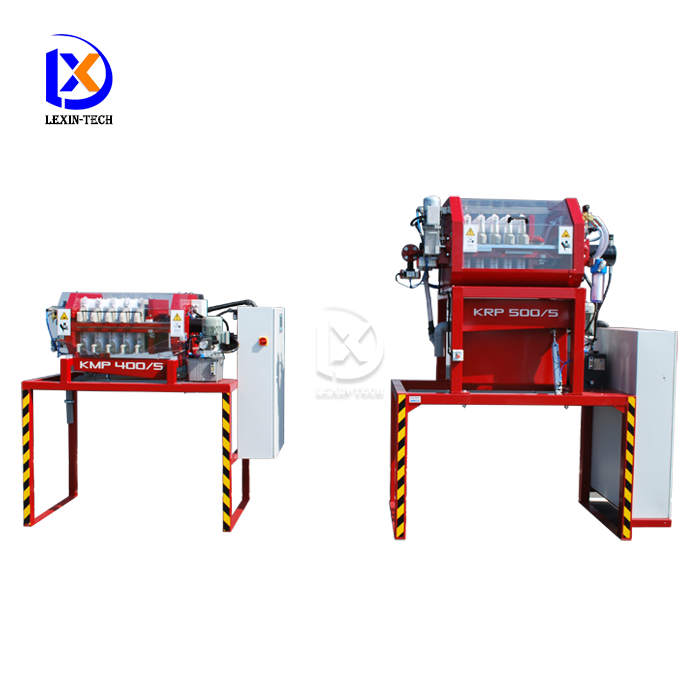
Pilot-Scale Plate and Frame Filter Presses
7 Specifications · plate and frame filter presses
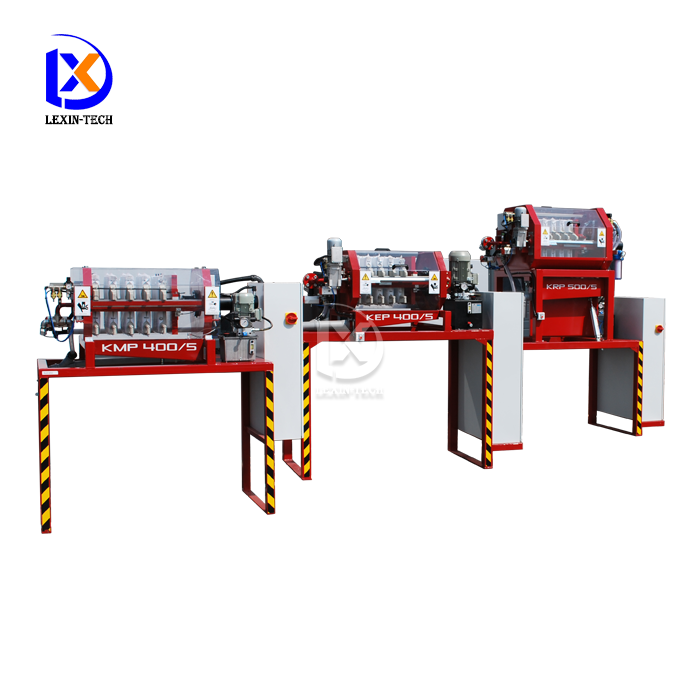
Lab-scale plate and frame filter presses
10 Specifications · plate and frame filter presses
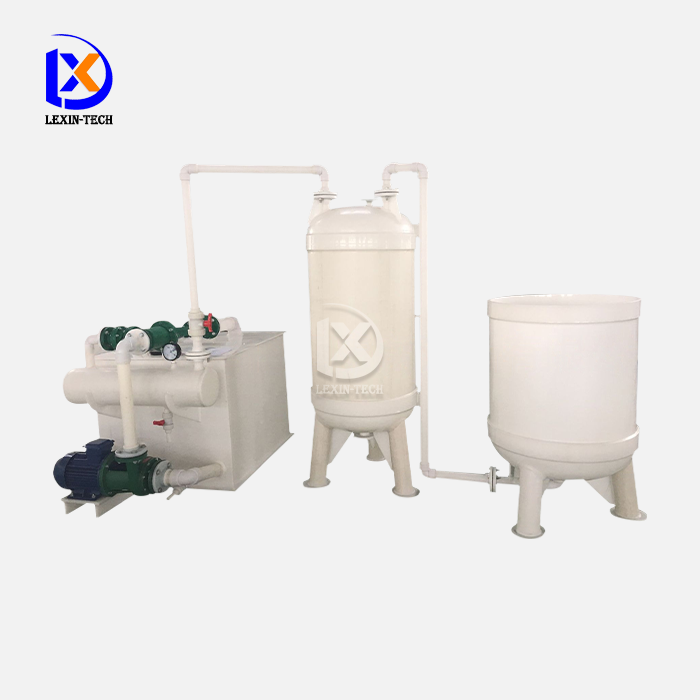
Pilot Scale Vacuum Filtration Unit
8 Specifications · vacuum filter
Further reading
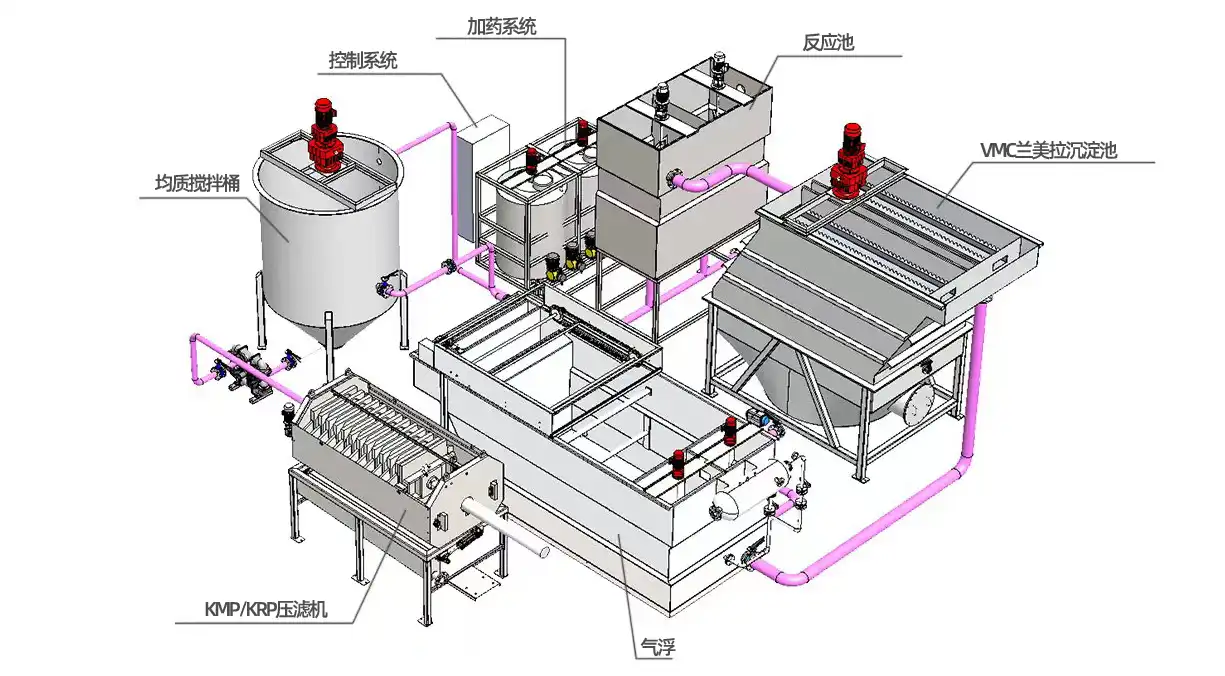 KBHow Does a Plate and Frame Filter Press Work?how-does-a-plate-and-frame-filter-press-work
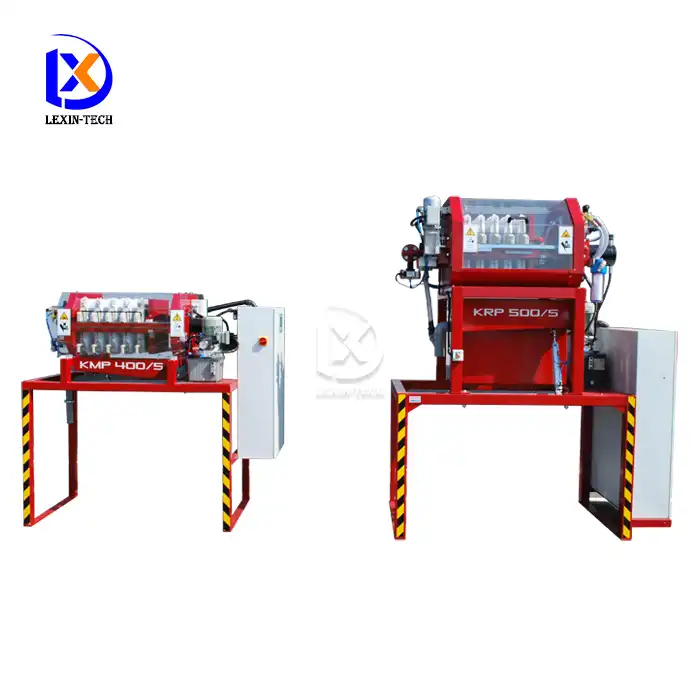 KBApplication of Pilot-scale Plate and Frame Filter Presses in Handling High-Solid Content Material Systemsapplication-of-pilot-scale-plate-and-frame-filter-presses-in-handling-high-solid-content-material-systems
Get this sized against your own material
The calculator returns a pre-feasibility number. For a quotation we need the feed assay, throughput, medium and temperature — and, where the result hinges on it, test data from your own material.
Request a sized quotation Ask an engineer a questionCalculator reference TL-FILTER-PRESS-AREA-FROM-LEAF. This tool is provided for preliminary engineering estimates. Final equipment selection must be confirmed against test work on your own material and reviewed by a qualified process engineer.