Cathode Plate
also known as cathode blank · starter sheet
A cathode plate is the flat electrode that receives the metal deposit in an electrowinning cell. Stainless steel is the common permanent cathode because the deposit strips cleanly from a polished surface; titanium is used where the electrolyte or the deposit chemistry attacks steel, or where the cathode is also the anode in a bipolar arrangement. Edge strips define the deposition area and protect the plate edges.
Why it matters in practice
Cathode surface condition determines whether the deposit strips cleanly or tears and requires manual chipping, so it drives labour and downtime more than any other cell consumable. Surface treatment and edge-strip quality are therefore worth specifying carefully at purchase.
Where this appears on this site
Calculators that use this
Equipment referenced in this entry
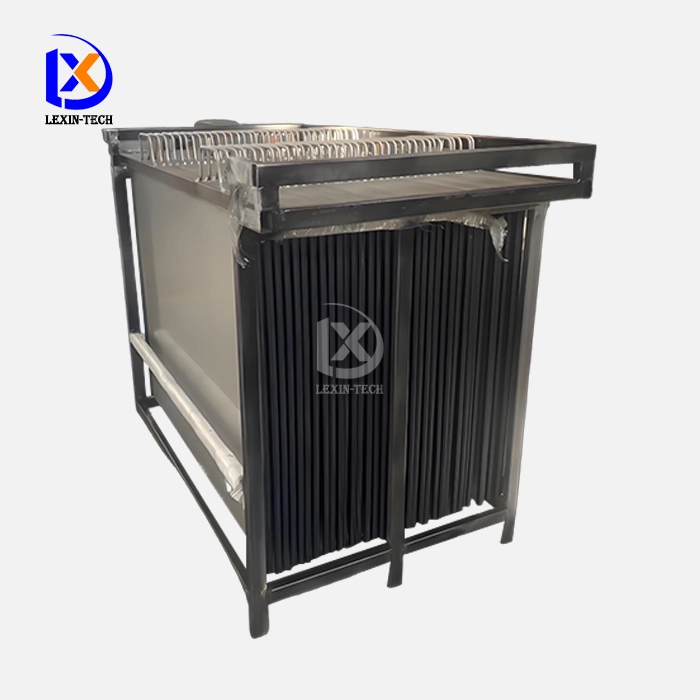
Stainless Steel Cathode Plate
6 Specifications · cathode plate
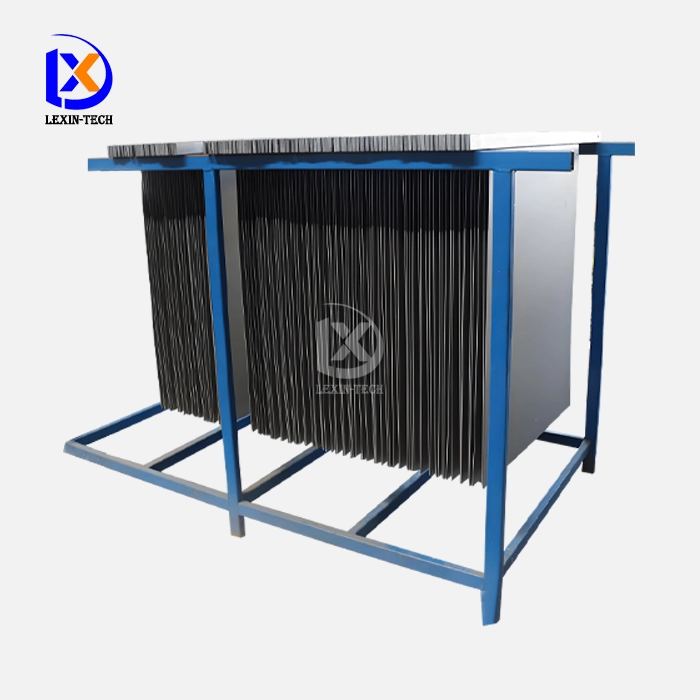
Titanium Cathode Plate
7 Specifications · cathode plate
Related terms
Reference entry GL-CATHODE-PLATE. Definitions on this page describe engineering practice in hydrometallurgical process design; they are not a substitute for test work on your own material.