Current Efficiency
also known as CE · faradaic efficiency
Current efficiency is the mass of metal actually deposited divided by the mass that Faraday's law predicts for the charge passed, expressed as a percentage. Current is lost to competing reactions, most importantly the reduction of ferric iron that cycles between the anode and cathode without producing metal, and to short circuits between electrodes.
Why it matters in practice
Current efficiency is the honest measure of an electrowinning cell's performance, because energy consumption per tonne of metal is inversely proportional to it. In practice it is measured simply by weighing the deposit and dividing by the theoretical mass.
Where this appears on this site
Calculators that use this
Equipment in this segment
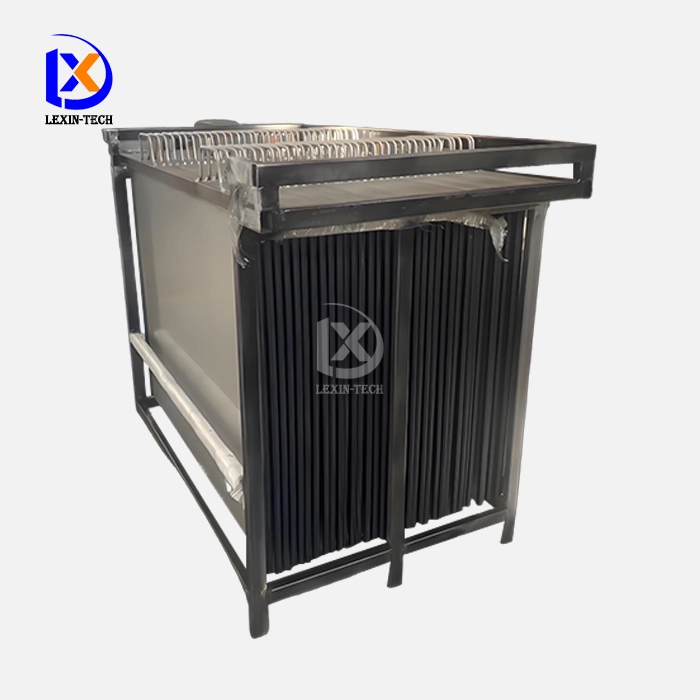
Stainless Steel Cathode Plate
6 Specifications · cathode plate
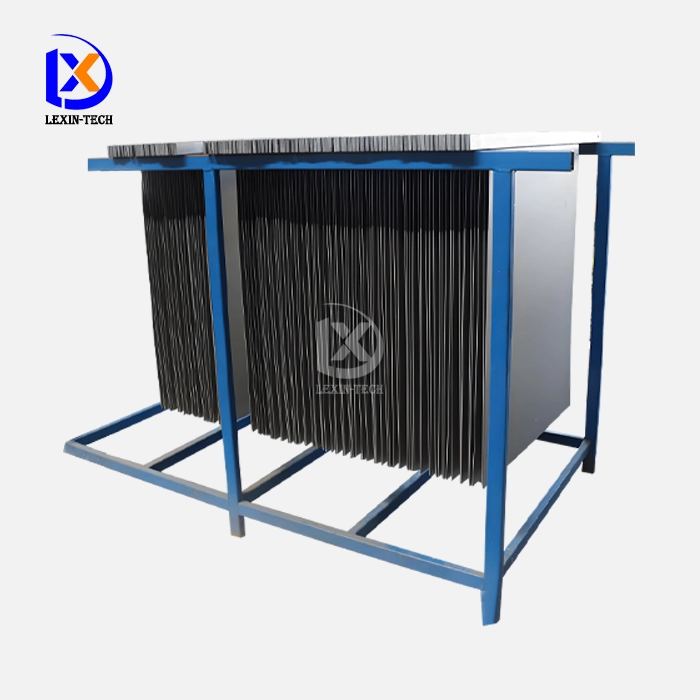
Titanium Cathode Plate
7 Specifications · cathode plate
Related terms
Reference entry GL-CURRENT-EFFICIENCY. Definitions on this page describe engineering practice in hydrometallurgical process design; they are not a substitute for test work on your own material.