Leaching
also known as dissolution · lixiviation
Leaching contacts a solid metal-bearing material with a lixiviant — an acid, a base, a salt solution or a biological agent — so the target metals dissolve into the liquid phase. Rate depends on lixiviant concentration, temperature, particle size, pulp density and residence time. Leaching may be atmospheric or carried out under pressure in an autoclave.
Why it matters in practice
Leaching fixes the composition of every downstream stream, including the impurities that solvent extraction must later reject, so lixiviant choice and leach conditions are among the highest-leverage decisions in the flowsheet. Over-aggressive leaching raises recovery but buys a harder purification problem.
Where this appears on this site
Calculators that use this
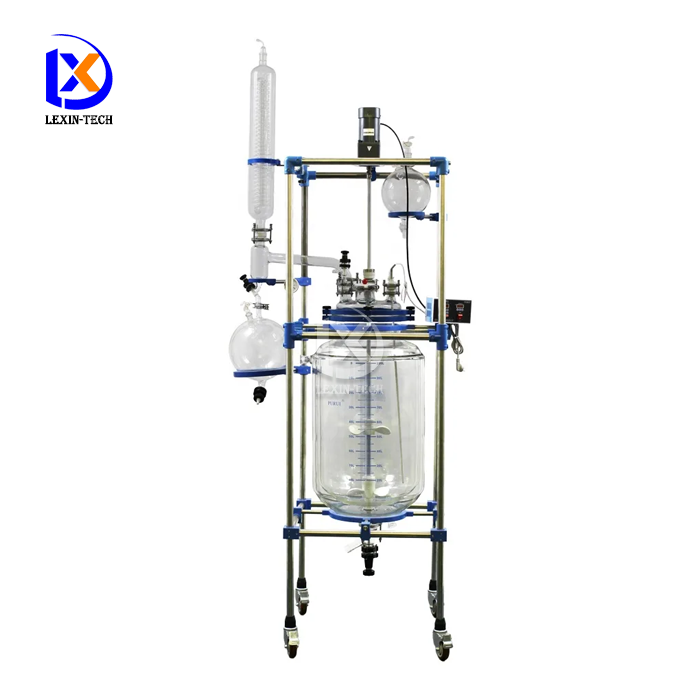
Equipment referenced in this entry
Related terms
Reference entry GL-LEACHING. Definitions on this page describe engineering practice in hydrometallurgical process design; they are not a substitute for test work on your own material.