Pulp Density
also known as percent solids · solid-liquid ratio
Pulp density is the solids content of the slurry entering a leaching or separation step, quoted as mass percent solids, or as a solid-to-liquid mass ratio. It sets the ratio of lixiviant to solid, and therefore both the driving force for dissolution and the volume the plant has to handle.
Why it matters in practice
Raising pulp density reduces reactor volume and liquid handling for the same throughput, but it also lowers the concentration gradient, raises slurry viscosity and can make agitation unmanageable. The practical ceiling is usually set by mixing, not by chemistry.
Where this appears on this site
Calculators that use this
Equipment referenced in this entry
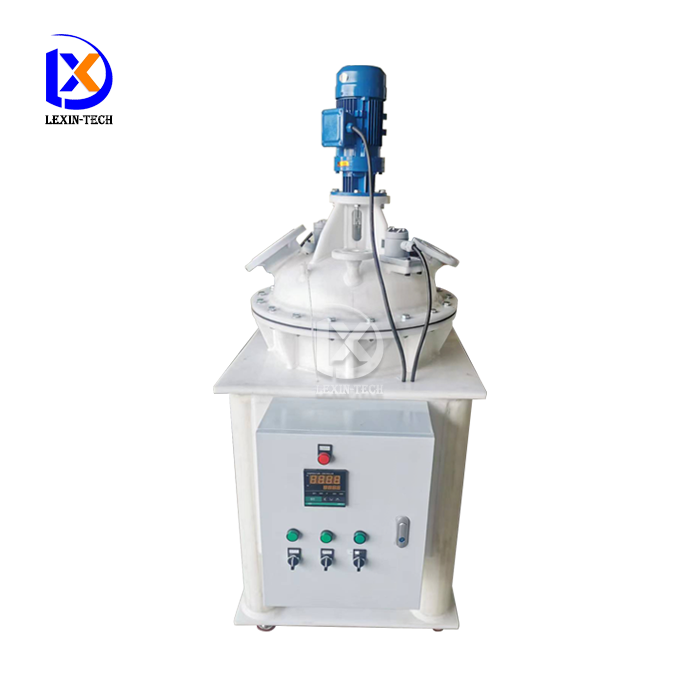
Lab-Scale PP Reactor
9 Specifications · pp reactor
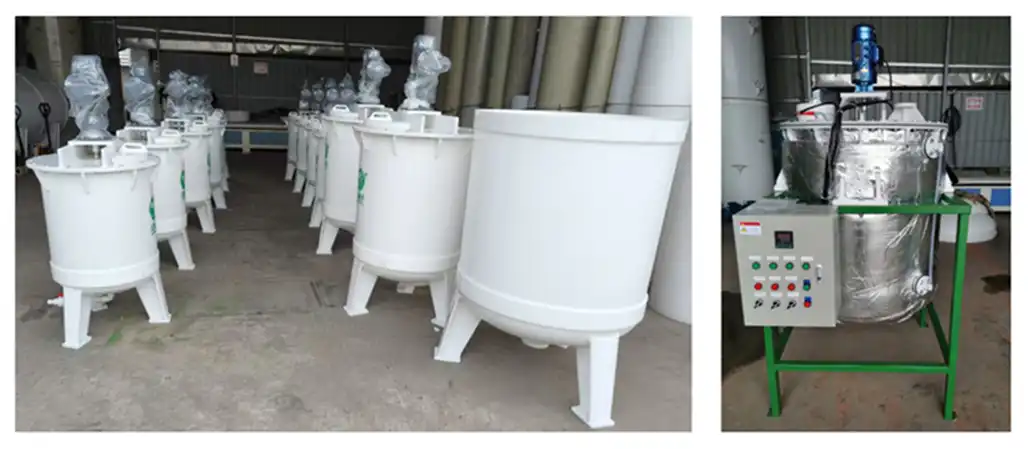
Pilot-Scale PP Reactor
9 Specifications · pp reactor
Related terms
Reference entry GL-PULP-DENSITY. Definitions on this page describe engineering practice in hydrometallurgical process design; they are not a substitute for test work on your own material.