Distribution Coefficient
also known as D · distribution ratio · Kd
The distribution coefficient D is the concentration of metal in the organic phase divided by its concentration in the aqueous phase, both measured at equilibrium under stated conditions of pH, temperature, extractant concentration and O/A ratio. It is the single number that drives every stage calculation: the higher D is, the fewer theoretical stages a target recovery requires.
Why it matters in practice
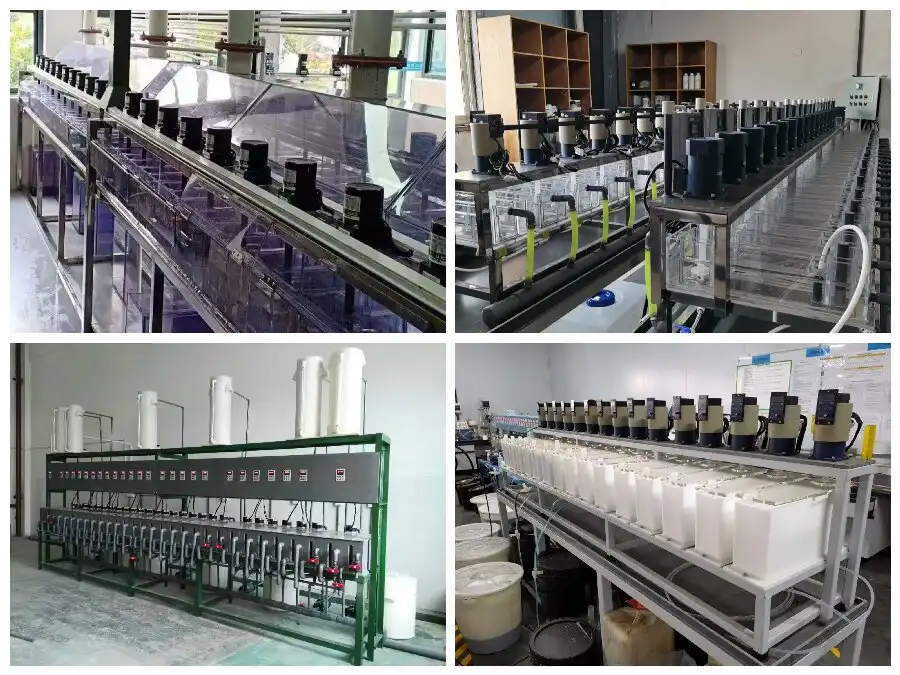
D is measured in shake-out tests, one of the cheapest and most informative experiments in hydrometallurgy. Because D varies steeply with pH, reporting it without the pH it was measured at makes the number meaningless.
Where this appears on this site
Calculators that use this
Equipment referenced in this entry
Related terms
Reference entry GL-DISTRIBUTION-COEFFICIENT. Definitions on this page describe engineering practice in hydrometallurgical process design; they are not a substitute for test work on your own material.