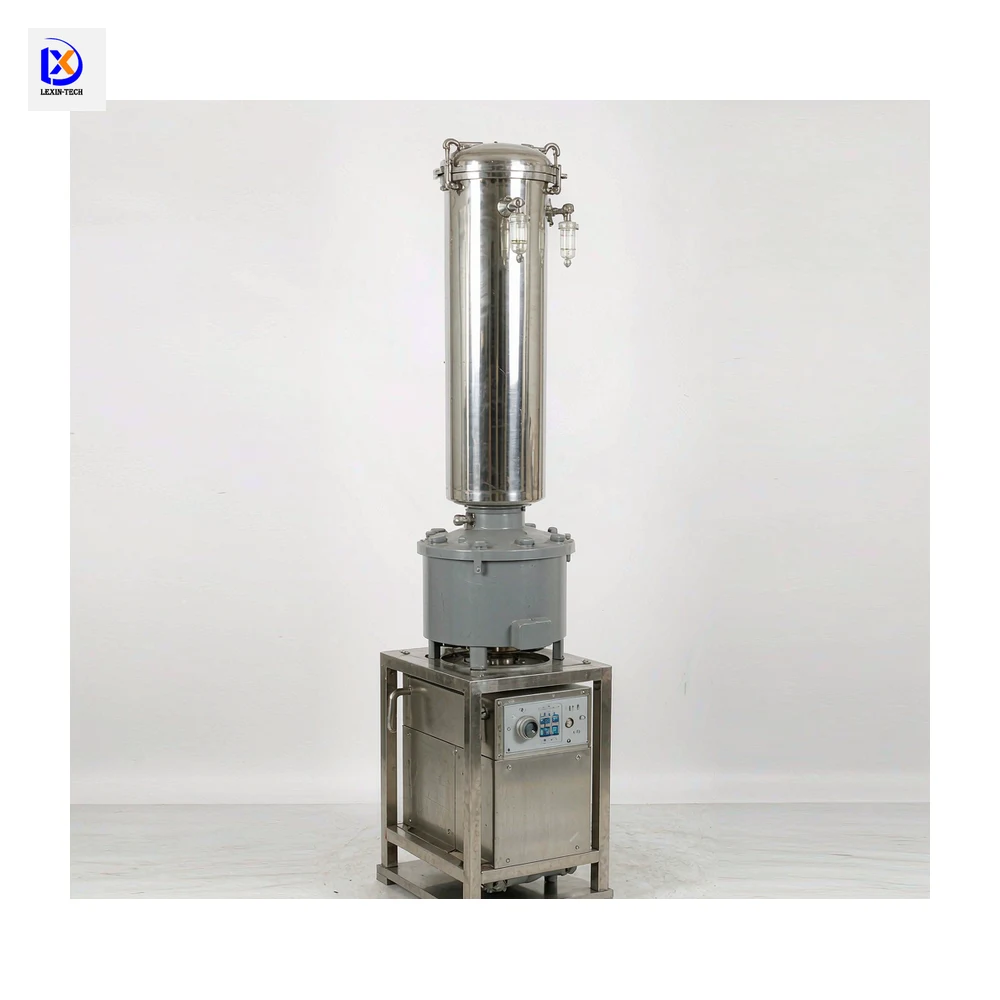
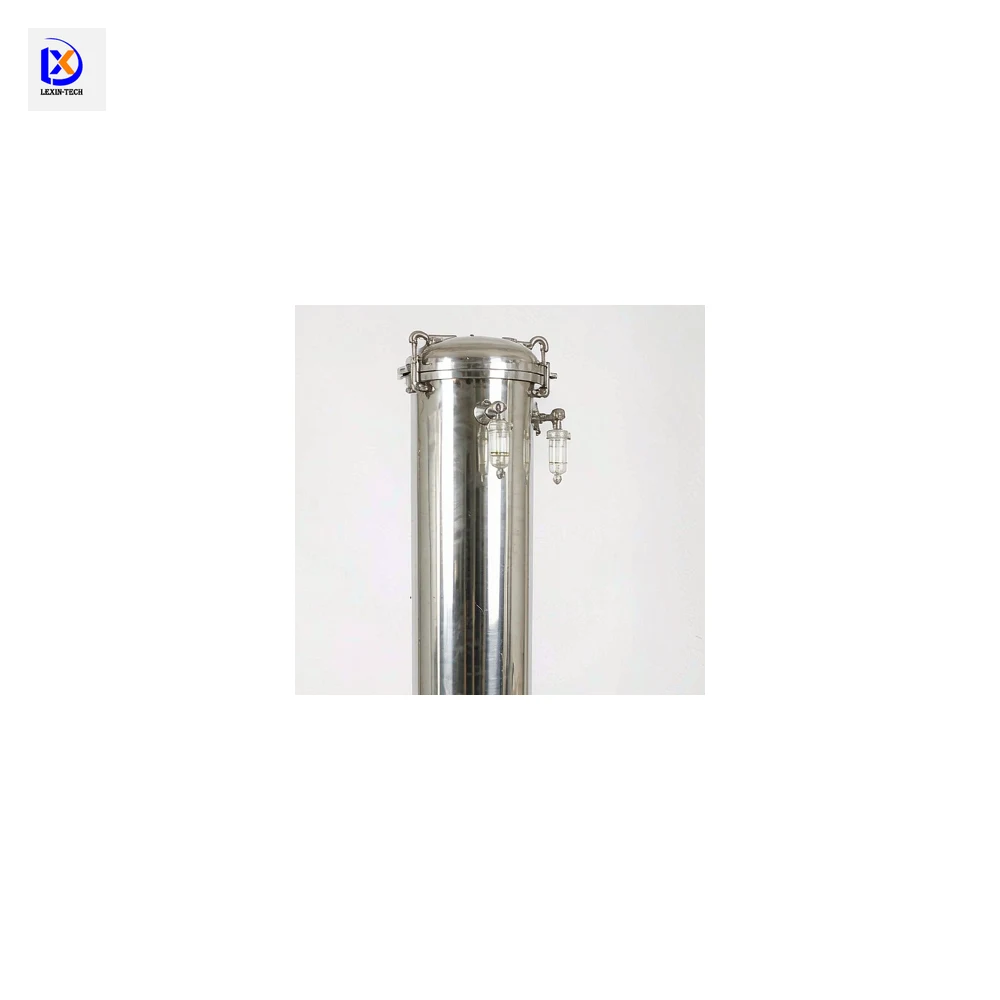
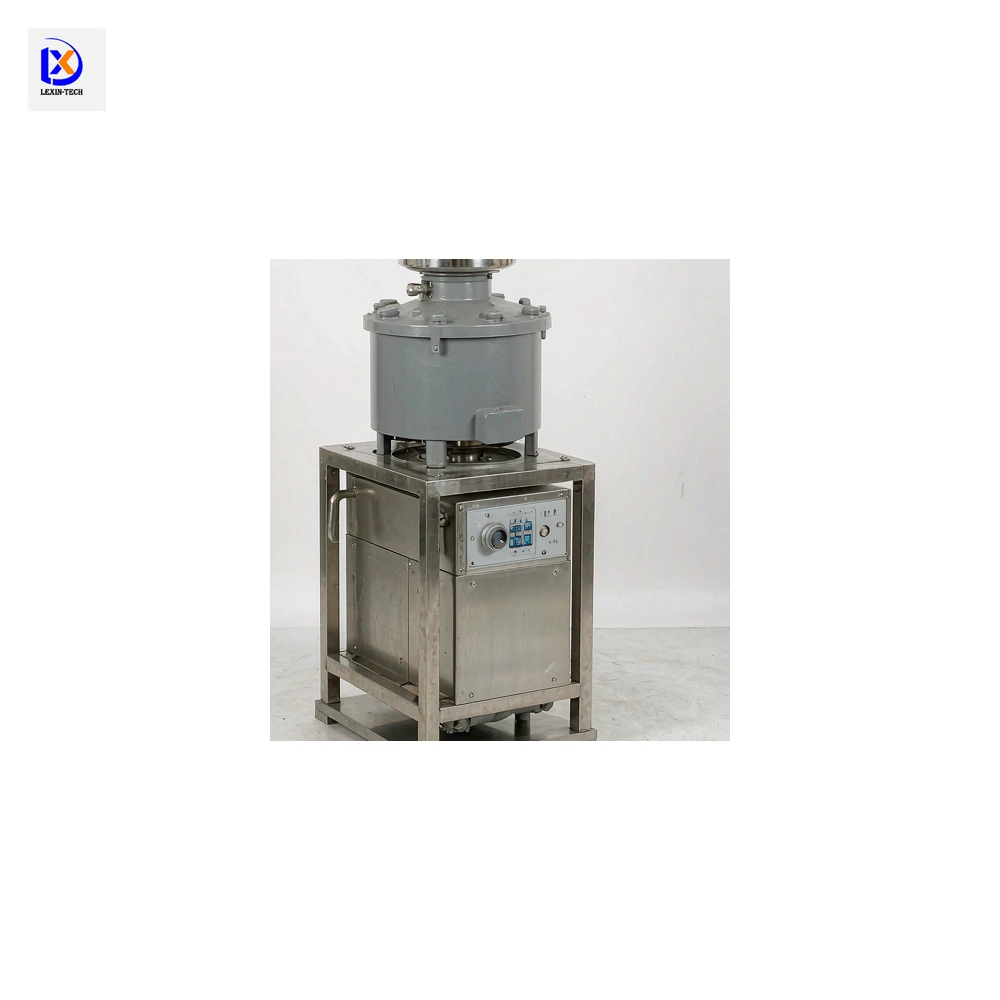
Laboratory Disc-Stack Centrifuge
PriceOn request — the first reply carries a budget band and a lead time, within one business day
Laboratory disc-stack centrifuge for clarifying solvent-extraction electrolytes, leach liquors and wash water: 230–260 mm bowl, 7,700–13,500 rpm, 10,000–20,000 ×g, 50–200 L/h, built to produce the settling-area data a production separator is sized on.
- Built to order
Engineered against your feed assay and throughput - Bench & pilot tested
Sample testing before the flowsheet is frozen - Export documented
Pre-tested, skid-mounted, documented for customs - EN / ES / RU / AR
Technical support in four languages
A disc-stack centrifuge is the only practical way to clarify a process liquor down to a few mg/L of suspended solids at lab scale and still generate numbers that scale. The bowl spins at 7,700 to 13,500 rpm, which puts 10,000 to 20,000 times gravity on the feed, and the disc stack turns that bowl into the equivalent of several thousand square metres of settling area. That equivalence is the point: the machine is not a faster version of a settling tank, it is a settling tank folded into a box.
Where the capacity comes from
Separation in a disc stack is described by the equivalent settling area, usually written Σ. For a stack of conical discs the value is roughly proportional to the number of discs, the outer radius cubed and the disc angle, and it is quoted in square metres — a 260 mm lab bowl lands in the thousands, a production bowl with a 510 mm bowl and a taller stack lands near 80,000 m². Throughput then follows the classical relation between flow, Σ and the settling velocity of the particle you are trying to capture.
That relation explains the trade every operator makes. Run at the top of the capacity range and you capture only the coarser solids; run at half the rated flow and the same bowl cuts a much finer particle. Published figures for this class of machine quote 50–200 L/h with water and a clarified liquid at around 2 mg/kg with a 0.2 µm cut on benchmark duty — those two numbers belong to different tests, and no single pass delivers both at once.
What it will and will not take
Disc stacks are clarifiers, not dewatering machines. Feed solids above roughly 3% by volume turn the bowl into a sludge conveyor and the discharge interval into the bottleneck; above that, a decanter is the correct machine. The solids holding volume on a lab bowl is 0.6 to 1.5 L, so the operating question is not whether it fills but how often it has to be emptied, and whether that is by manual bowl opening or by a sliding-piston partial discharge on the larger frames.
Where the machine earns its place in a hydrometallurgical flowsheet is the dirty duties: crud and entrained organic from a solvent-extraction stage, fine gypsum that survived the thickener, graphite or carbon fines from a leach, and the colloidal clay that blinds a filter press. In each case the disc stack produces a clarified liquor clean enough for the next unit operation — ion exchange resin, electrowinning cell or membrane — without the filter aid that a plate-and-frame would need.
What a lab campaign should measure
- Solids capture against flow: run at least four flow rates and assay both streams. The curve, not the single point, is what the scale-up uses.
- The cut size at each flow, from a particle size distribution of the overflow solids — this is what tells you whether the production machine needs a bigger Σ or a different machine.
- Discharge interval at the intended feed solids, measured, not estimated from the holding volume.
- Whether the solids are abrasive or sticky. Gypsum and jarosite behave very differently on the bowl wall, and the difference decides the bowl material and the maintenance interval.
What to send for a quotation
Feed solids concentration and particle size distribution, the target clarity in mg/L, the liquor chemistry (pH, chloride, organic content), the temperature, and whether the machine will run batch or continuous. If the duty is crud treatment, say so — the wetted-material and seal specification changes.
Specifications
| Bowl diameter | 230 – 260 mm |
|---|---|
| Bowl speed | 7,700 – 13,500 rpm |
| Separation factor | 10,000 – 20,000 ×g |
| Capacity (water) | 50 – 200 L/h |
| Recommended process flow | 20 – 100 L/h (clarity-dependent) |
| Solids holding volume | 0.6 – 1.5 L |
| Maximum feed solids | ≈ 3% v/v |
| Solids discharge | Manual bowl opening; partial discharge on larger frames |
| Clarified liquid (benchmark duty) | ≈ 2 mg/kg at 0.2 µm cut (published figure for this class) |
| Wetted materials | 316L bowl and discs; EPDM / FKM seals |
| Motor | 1.5 – 4 kW |
| Services | Cooling water, 220/380 V, compressed air for discharge where fitted |
Values are the documented specifications for this model. Final dimensions are confirmed on the approved drawing before production.
Frequently asked questions
Disc stack or tubular bowl?
Tubular bowls reach higher g but hold far less solids and are harder to clean; they suit small volumes of very fine, low-solids liquor. Disc stacks handle more solids per unit time and are the standard choice once the feed carries more than a trace of suspended solids. If the feed is above about 3% solids, neither is right — that is decanter duty.
How do I scale the lab result to a production machine?
Through Σ. Calculate the equivalent settling area for the lab bowl, divide the flow by it, and you have a settling velocity for the duty. Apply the same velocity to the production machine’s Σ — with a safety factor of 1.3 to 2 for the poorer flow distribution in a larger bowl — and you have a flow. Vendor Σ values are calculated, not measured, so treat the answer as a sizing basis rather than a guarantee.
Will it remove emulsified organic from a loaded electrolyte?
Free organic, yes; a stabilised emulsion, only partly. Coalescing or a coalescing separator upstream is usually the cheaper way to break the bulk of the organic, with the disc stack polishing what is left. Feed it a stable emulsion and you will see organic in the overflow.
What maintenance does the bowl need?
Bowl inspection and seal replacement at intervals set by solids abrasiveness — typically every few hundred operating hours on dirty duty. The bearing and the spindle are the parts that fail if the bowl is run out of balance, which is why the discharge interval matters more than the top speed.
Related products
-
Laboratory Pressure Leaf Filter
PriceOn request — the first reply carries a budget band and a lead time, within one business day -
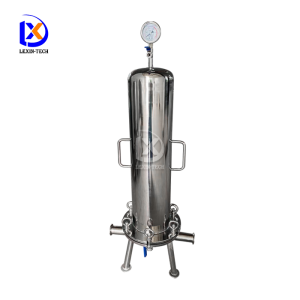
PP Cartridge Precision Filter
PriceOn request — the first reply carries a budget band and a lead time, within one business day -
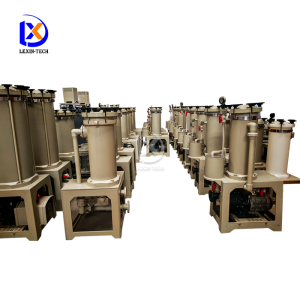
PA Cartridge Precision Filter
PriceOn request — the first reply carries a budget band and a lead time, within one business day -
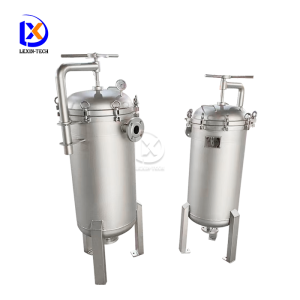
Titanium Cartridge Precision Filter
PriceOn request — the first reply carries a budget band and a lead time, within one business day