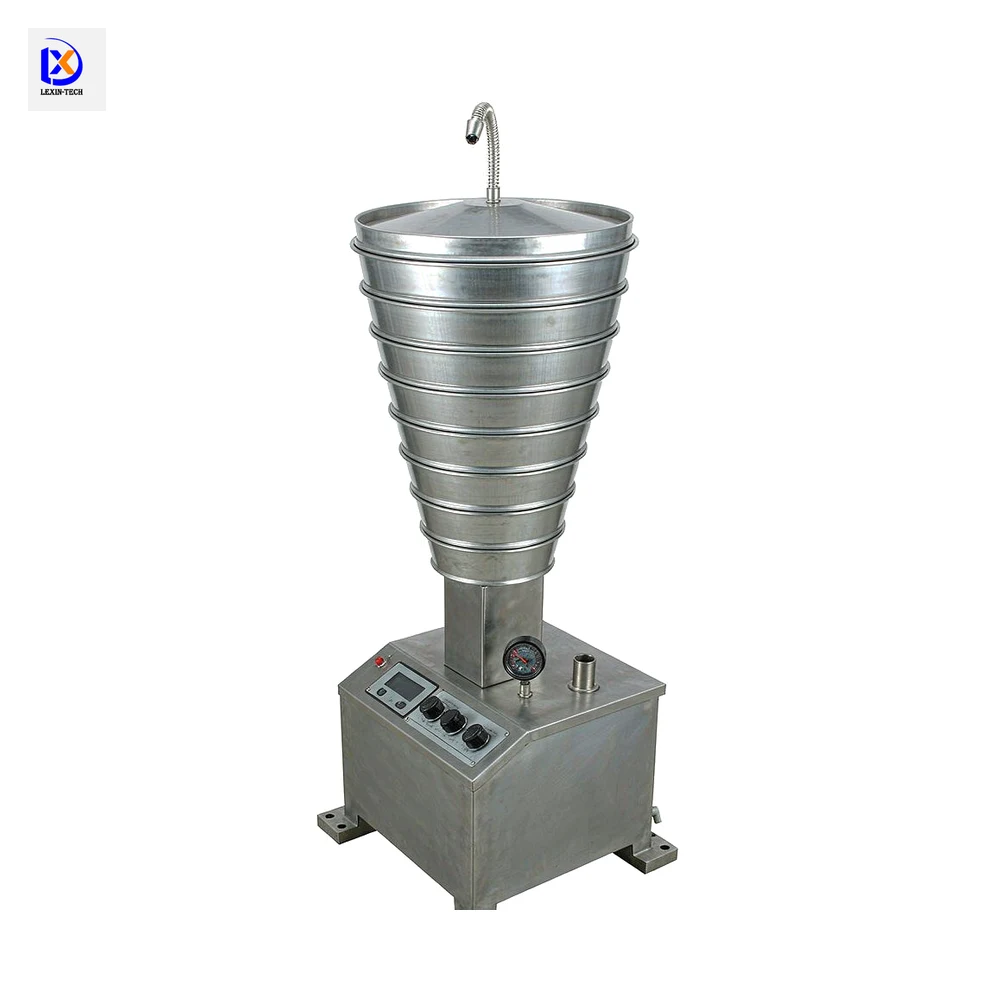
Laboratory Wet Sieve Shaker
PriceOn request — the first reply carries a budget band and a lead time, within one business day
Cascade wet sieve shaker for particle size analysis below 75 um, where dry sieving over-reports coarse fractions: 6-8 tiers, 45 um to 2 mm.
- Built to order
Engineered against your feed assay and throughput - Bench & pilot tested
Sample testing before the flowsheet is frozen - Export documented
Pre-tested, skid-mounted, documented for customs - EN / ES / RU / AR
Technical support in four languages
Below about 75 µm dry sieving stops being a measurement and starts being an estimate: fine particles agglomerate, static holds them on the mesh, and the shaker itself grinds the sample while it runs. A cascade wet sieve shaker removes all three problems with water, and returns a particle size distribution that closes its mass balance.
How the cascade works
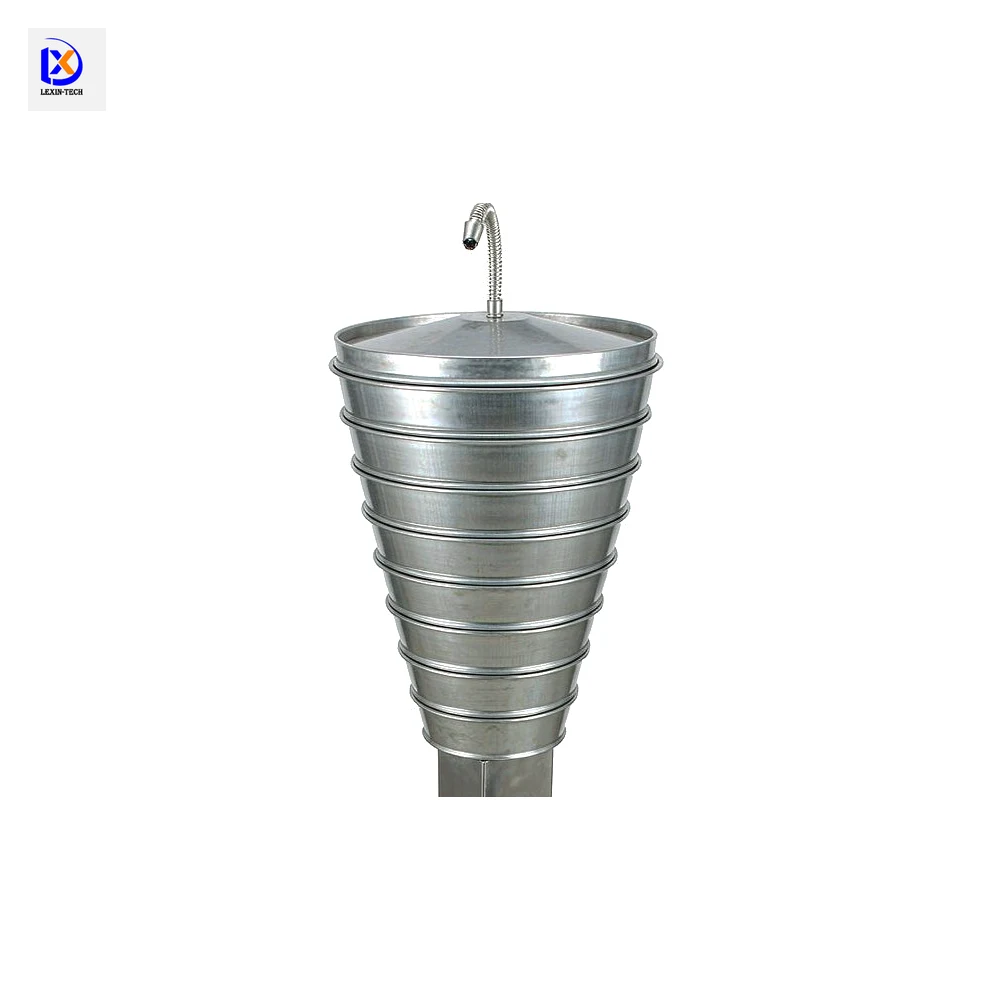
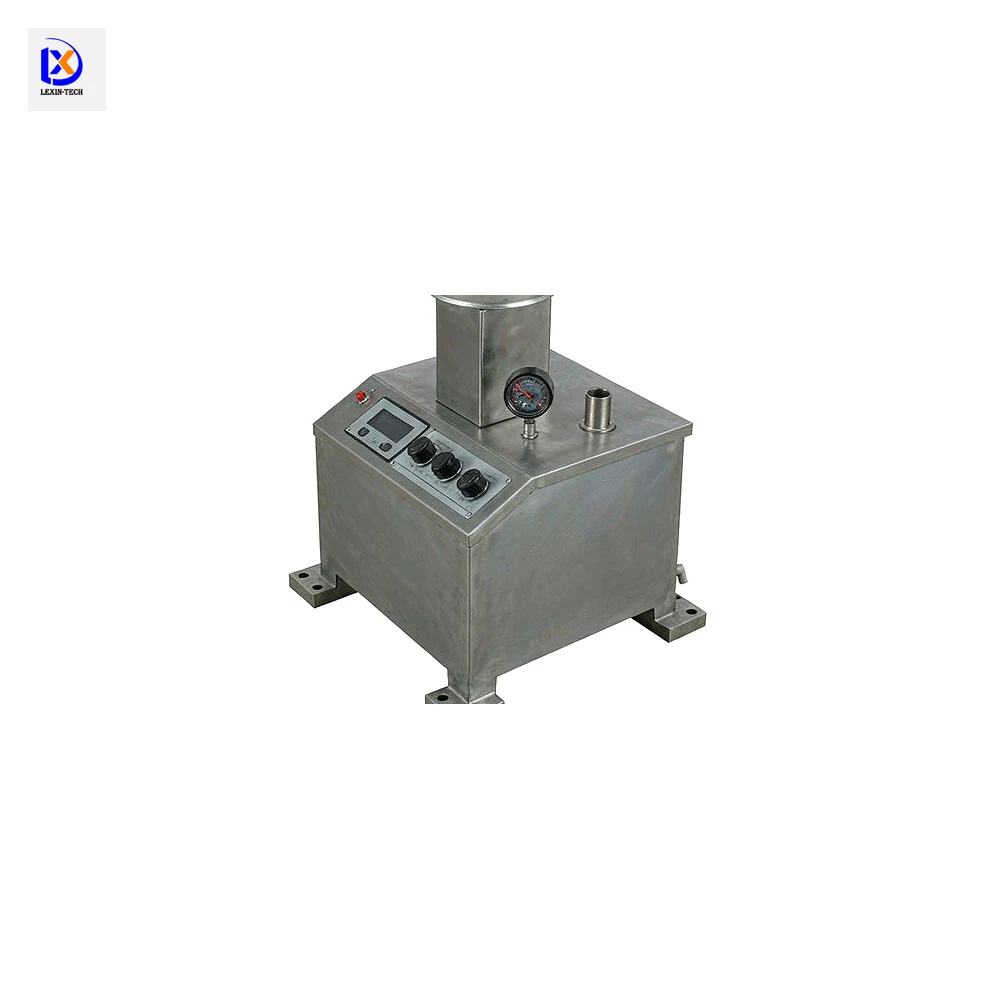
Six to eight 200 mm stainless frames step down to a discharge funnel, with a covered top head and an integral spray nozzle. Wash water runs at 0.5–2 L/min through a needle valve against a 0–0.6 MPa gauge, and a 0–60 min digital timer stops every run at the same point — reproducibility is the point of the machine as much as sizing is. A 0.25 kW drive with adjustable amplitude shakes the stack; a 100–500 g charge suits most leach residue and grind P80 checks.
When wet sieving is mandatory
- More than 20% of the sample passing 75 µm, where dry sieving over-reports the coarse fractions.
- Clay or weathered ore that agglomerates irreversibly once dried.
- Any sizing that feeds a cyclone, flotation or gravity design decision — the 20–40 µm band is where the design lives.
Frames and materials
304 stainless frames and cover as standard, 316L for corrosive pulps and leach residue. Aperture range is 45 µm to 2 mm woven mesh. Below 20 µm sieving stops making sense and laser diffraction takes over — report which method produced the curve, because the two do not agree by definition.
Send the expected PSD, sample mass and whether clays or soluble salts are present, and we will specify the frame stack and wash-water settings.
Specifications
| Sieve Diameter | 200 mm (8 in) cascade washing sieve frames, tapering down to the discharge funnel |
|---|---|
| Number of Tiers | 6-8 washing sieve tiers with covered top head and integral spray nozzle |
| Aperture Range | 45 um to 2 mm stainless steel woven mesh (to be confirmed by test work) |
| Frame Material | 304 stainless steel frames and cover, 316L available for corrosive pulps |
| Wash Water | 0.5-2 L/min via gooseneck spray nozzle with needle valve on the top head |
| Pressure Gauge | 0-0.6 MPa wash-water pressure gauge mounted on the base |
| Vibration Drive | 0.25 kW motor with adjustable amplitude on the stainless base unit |
| Timer | 0-60 min digital timer with automatic stop |
| Sample Charge | 100-500 g per test run depending on target size fraction |
| Wetted Materials | Suitable for neutral wash-water classification of leach residue and grind P80 checks; avoid HF or strong chloride-acid contact with frames unless 316L frames are specified |
Values are the documented specifications for this model. Final dimensions are confirmed on the approved drawing before production.
Related products
-
Laboratory Wet Stirred Media Mill
PriceOn request — the first reply carries a budget band and a lead time, within one business day -
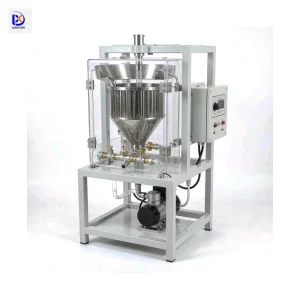
Laboratory Centrifugal Concentrator
PriceOn request — the first reply carries a budget band and a lead time, within one business day -
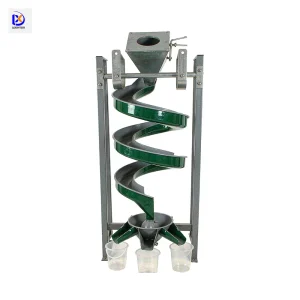
Laboratory Spiral Concentrator
PriceOn request — the first reply carries a budget band and a lead time, within one business day -
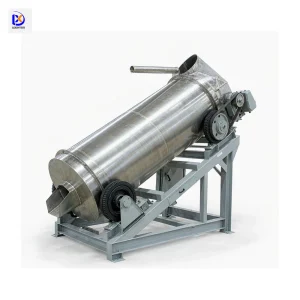
Lab-Scale Ore Agglomeration Drum
PriceOn request — the first reply carries a budget band and a lead time, within one business day