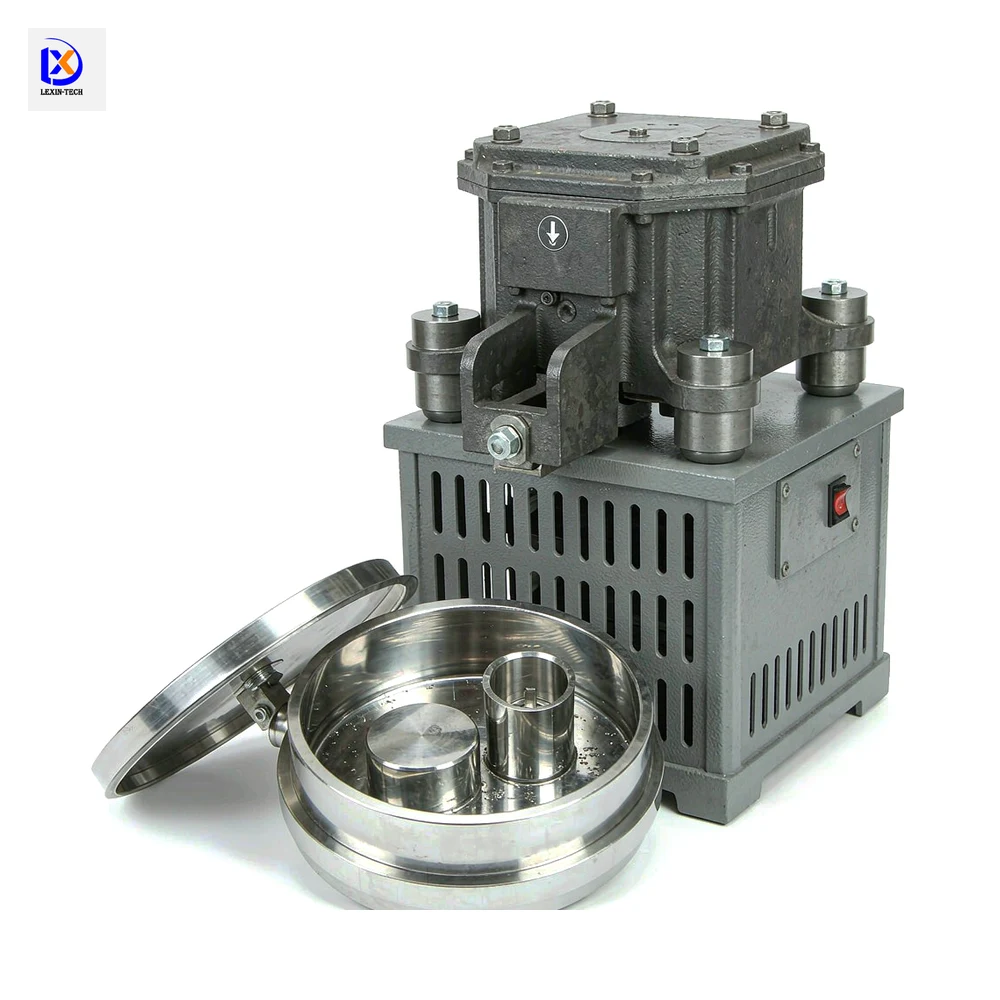
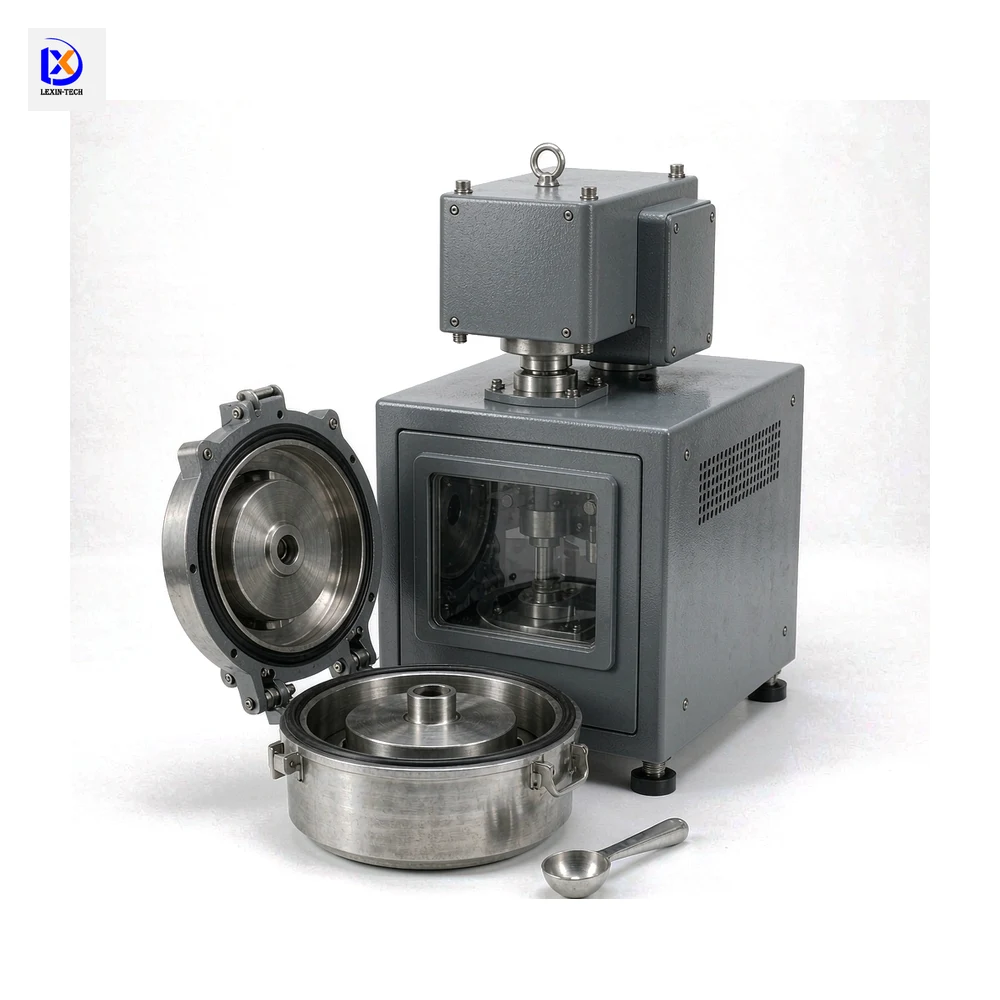
Laboratory Ring and Puck Pulverizer
PriceOn request — the first reply carries a budget band and a lead time, within one business day
Bench-top ring and puck pulverizer for assay pulps: 250 mL bowl, 50-250 g batches, 75-90 um, with optional low-contamination grinding sets.
- Built to order
Engineered against your feed assay and throughput - Bench & pilot tested
Sample testing before the flowsheet is frozen - Export documented
Pre-tested, skid-mounted, documented for customs - EN / ES / RU / AR
Technical support in four languages
Assay results are only as good as the pulp that reaches the laboratory, and a vibratory ring and puck pulverizer is what turns a 2 mm crushed sample into a 75 µm pulp that an acid attack can digest completely. It is a bench-mounted unit with a vented enclosure, sized for laboratory batches rather than production.
Working range
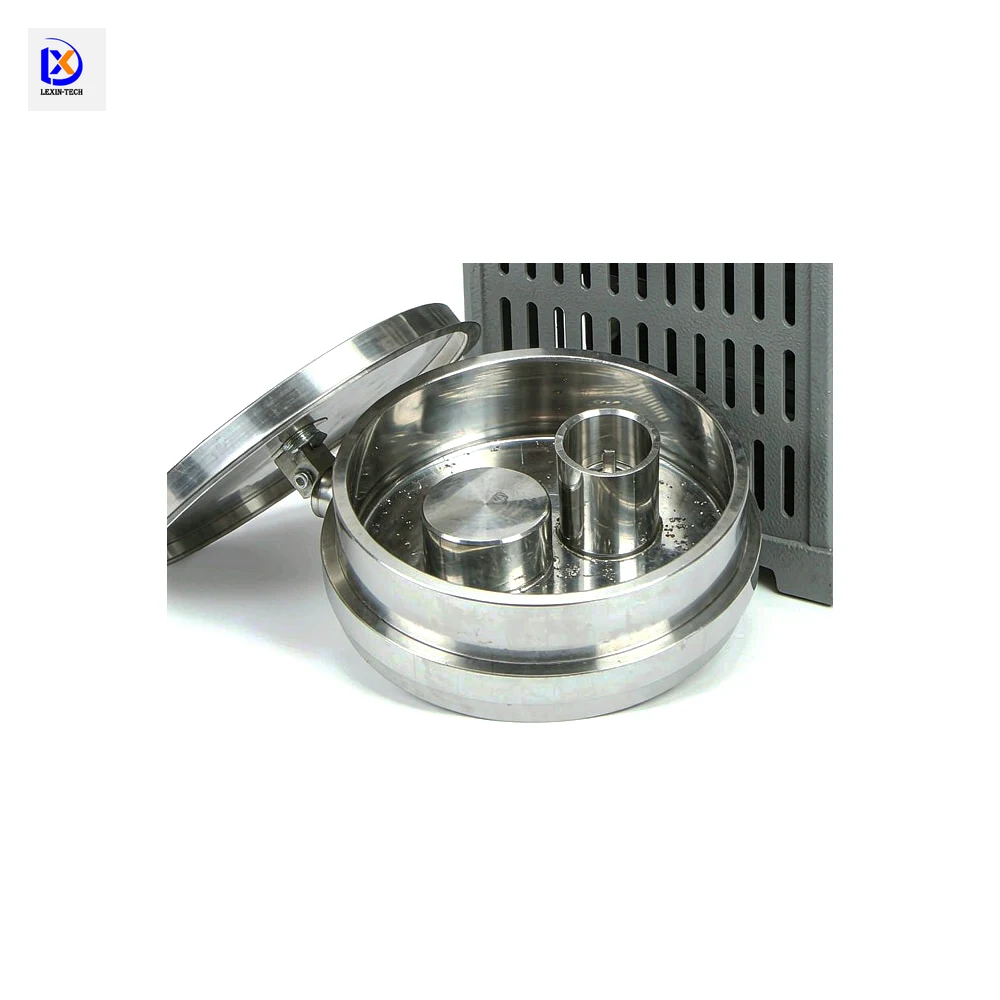
A 250 mL hardened stainless bowl with ring and puck elements handles a 50–250 g charge — bowls from 100 to 1000 mL are available for larger or smaller lots. Feed must already be below 6 mm, which is the reason a jaw crusher sits upstream: the pulverizer will not reduce 20 mm rock, it will simply stall on it.
One to five minutes of grinding typically lands at 75–90 µm; 45 µm is reachable with an extended run. Beyond that point the energy goes into heat, and heat is a chemical change — sulphides oxidise, mercury leaves, and the head grade drifts down between the coarse reject and the pulp.
Contamination control
Hardened stainless is the standard bowl and is fine for most base-metal suites. Chrome steel and zirconia sets are available when the element list makes iron, chromium or cobalt a problem — the same trap that catches tungsten carbide in tungsten work. Report the bowl material alongside the assay; it is the first thing to compare when two laboratories disagree.
Before the sample leaves the machine
- Empty the bowl completely — the heel in the corner is coarse and unrepresentative.
- Clean between samples; a brush and compressed air, not a tap and a shake.
- Check oversize on a 75 µm sieve: more than a few percent retained means the pulp is not ready.
Send the element list, expected grade range and sample mass, and we will specify bowl volume, grinding media and run time.
Specifications
| Mill Type | Vibratory ring and puck pulverizer, bench-mounted with vented enclosure |
|---|---|
| Grinding Set | 250 mL hardened stainless steel bowl with ring and puck grinding elements (100-1000 mL volumes optional) |
| Feed Size | < 6 mm pre-crushed material (feed from jaw crusher stage) |
| Final Fineness | Typically 75-90 um, down to 45 um with extended grinding time (to be confirmed by test work) |
| Sample Charge | 50-250 g per batch depending on bowl volume |
| Grinding Time | 1-5 min per batch typical |
| Bowl Material | Hardened stainless steel standard; chrome steel or zirconia bowl optional for trace-metal contamination control |
| Motor | 1.1-1.5 kW vibration motor, 380 V / 50 Hz |
| Cross Contamination Control | Bowl cleaning between samples; low-contamination chrome steel or ceramic grinding sets optional |
| Application | Assay sample preparation of ores, slags, concentrates and leach residues |
Values are the documented specifications for this model. Final dimensions are confirmed on the approved drawing before production.
Related products
-
Laboratory Muffle Furnace for Ashing and Calcination Tests
PriceOn request — the first reply carries a budget band and a lead time, within one business day -
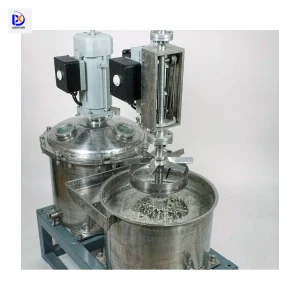
Laboratory Attrition Scrubber
PriceOn request — the first reply carries a budget band and a lead time, within one business day -
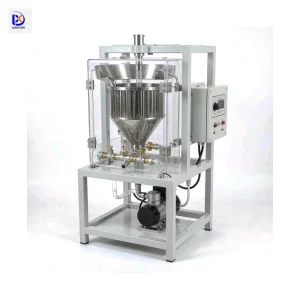
Laboratory Centrifugal Concentrator
PriceOn request — the first reply carries a budget band and a lead time, within one business day -
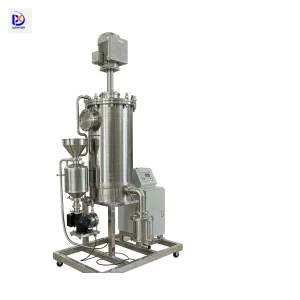
Laboratory Wet Stirred Media Mill
PriceOn request — the first reply carries a budget band and a lead time, within one business day